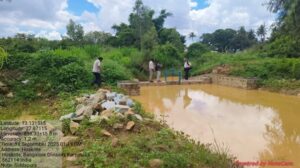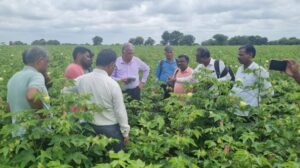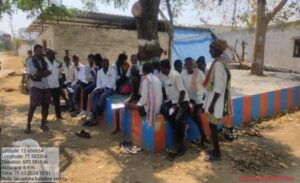
Quest Alliance, in partnership with the OUTREACH organization, launched a youth skill development program in Gauribidanur Taluk, Chikkaballapur District, Karnataka. The program aimed to provide career- linked training to rural youth from economically disadvantaged backgrounds, equipping them with essential skills for employment and self-reliance.
A significant focus of this initiative was on college and school dropouts, recognizing that skill training is crucial them. College dropouts often face limited job prospects and socio-economic challenges, and equipping them with relevant skills can significantly improve their employment opportunities, enhance their confidence, and provide them with viable pathways to stable careers or entrepreneurship. The project spanned from September 1, 2023, to March 31, 2024, with two batches of students, each undergoing a three-month training period. This initiative was part of a broader effort to address the skill gap among rural youth, improve their employability, and enhance their socio-economic status.
Program Objectives and Scope
Table of Contents
The primary objective of program is to empower rural youth by providing them with market-relevant skills that would enhance their employability and prepare them for various career opportunities. The program focuses on:
- Skill Development: Training youth in communication, digital literacy, retail and customer interaction, life skills, and job
- Career Development: Guiding students in career planning, understanding different job sectors, and preparing for the job market.
- Gender Awareness: Educating participants on gender equality and empowering young women to take up roles traditionally dominated by men.
- Digital Literacy: Ensuring that students become proficient in basic computer skills, which are essential in today’s job market.
- Sustainable Practices: Introducing the concept of a green future and sustainability to encourage environmentally conscious career choices.
Program Structure and Implementation
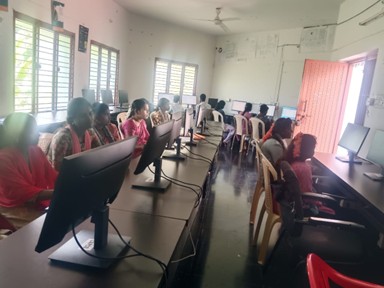
The program was structured around a comprehensive curriculum designed to meet the needs of the participants. It included both theoretical and practical components, ensuring a well-rounded educational experience. The training modules covered:
- English Language Skills: Emphasizing spoken English to improve communication skills, crucial for customer interaction and professional settings.
- Life Skills: Focusing on personal development areas such as decision-making, problem-solving, time management, and money management.
- Career Skills: Teaching job readiness skills, including resume writing, interview preparation, and understanding workplace culture.
- Digital Literacy: Offering basic computer training, use of the Quest app for learning, and exposure to digital tools relevant to various job roles.
- Retail Customer Interaction: Training in customer service, sales techniques, and understanding consumer behaviour to prepare students for retail
The curriculum was designed to be comprehensive, including both theoretical and practical components. Training methods included:
- Lectures and Presentations: PowerPoint presentations, guest lectures, and storytelling.
- Group Discussions and Activities: Role-plays and group projects.
- Practical Exercises: Mock interviews, market scans, and exposure visits.
- Use of Technology: Integration of the Quest app and digital resources.
- Assessments: Pre- and post-training evaluations to measure progress.
Participant Demographics and Enrollment
The program specifically targeted youth from rural areas with limited economic opportunities. The majority of the participants were school and college dropouts, with education levels ranging from 10th and 12th standard to a few graduates. Of the 87 students who initially enrolled, 80 completed the training, with a dropout rate of around 8%. The gender distribution was notably skewed, with 80% of the participants being girls and 20% boys. This imbalance reflects the higher dropout rates among girls in rural areas due to socio- economic factors and the focus of the program on empowering young women.
Program Outcomes and Impact
The program targeted rural youth, primarily school and college dropouts. Out of 87 initial enrollees, 80 completed the training, with an 8% dropout rate.
The participants were 80% girls and 20% boys. The program had a significant impact on:
- Employment: 57 students secured jobs in various sectors, including retail and hospitality. Companies like L & T offered competitive salaries, demonstrating the program’s effectiveness in preparing students for the job market.
- Self-Employment: 13 participants started their own businesses, such as tailoring units and catering services, utilizing the skills gained during the
- Higher Studies: Some students expressed interest in further education, showing the program’s role in expanding their aspirations.
- Skill Enhancement: Participants gained valuable skills in communication, digital literacy, and life skills, preparing them for both immediate and long- term career growth.
Challenges and Lessons Learned
The Quest Alliance youth program encountered challenges in mobilizing participants from remote areas and convincing parents, especially for girls. Limited transport and safety concerns were major issues. Training could be improved by enhancing spoken English instruction, offering more individualized attention, and using additional case studies. Placement support faced difficulties in persuading parents about distant job opportunities and connecting with employers. Although the program introduced green job concepts, a greater focus on sustainable career options is needed. These challenges highlight the need for better mobilization, training, placement strategies, and a stronger emphasis on green jobs.
The Quest Alliance youth program successfully demonstrated the value of skill development for rural youth, particularly school and college dropouts. By offering relevant training and career guidance, the program significantly improved participants’ employability and socio-economic conditions. Future improvements could focus on enhancing mobilization efforts, refining training delivery, strengthening placement support, and increasing the emphasis on green jobs. This program serves as a valuable model for similar initiatives aiming to build a skilled and empowered workforce.