Comprehensive Community-led Water Management Project at Gauribidanur Taluk, Chikkaballapur District supported by Azim Premji Philanthropic Initiatives
Watershed management is critical in drought- prone regions, especially where groundwater depletion poses a significant threat to agriculture and daily living. By effectively managing watersheds, the project aims to enhance the natural recharge of groundwater, reduce surface runoff, and ensure sustainable water availability. These measures not only provide immediate relief from water scarcity but also build long-term resilience against climate-induced droughts, securing the livelihoods and food security of rural communities.
The Comprehensive Community-led Water Management Project, launched on March 1, 2024, is a three-year initiative designed to address critical water management challenges in Gauribidanur Taluk, Chikkaballapur District. In the first month, the project team was successfully recruited and oriented on the project’s objectives, planned activities, and expected outcomes.
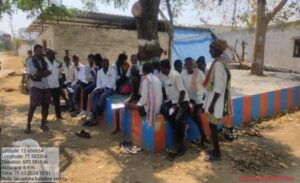
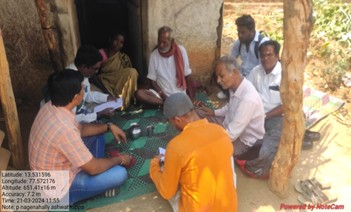
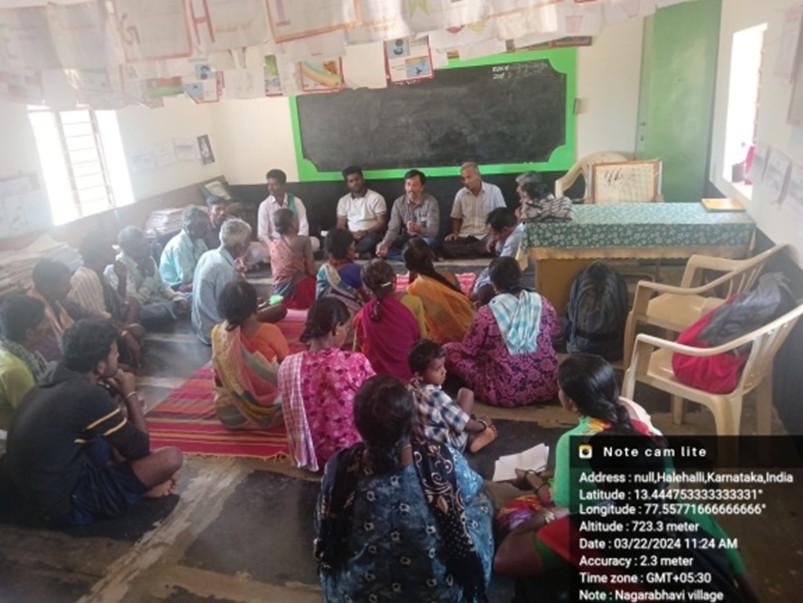
Orientation meetings were held in all the project villages.
Project Scope and Beneficiaries
Table of Contents
The project is being implemented across nine villages in five Gram Panchayats: Pura, Alehalli, Huduguru, Nakkalahalli, and Gowdagere. It aims to carry out watershed treatment over 1,400 hectares, directly benefiting 952 families. This area was specifically chosen due to severe water scarcity for both agricultural and domestic use, exacerbated by depleting groundwater levels.
The region also has a high concentration of disadvantaged communities and vulnerable farmers, making targeted interventions crucial.
Key Activities
- Soil Moisture Conservation: Techniques to retain soil moisture and prevent erosion, essential for sustaining crops in drought-prone areas.
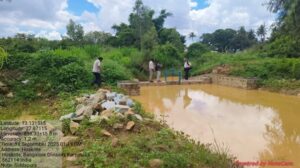
- Water Harvesting Structures: Building check dams, percolation tanks, and other structures to capture rainwater and recharge groundwater.
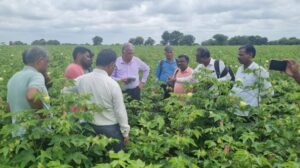
- Climate-Resilient Agricultural Practices: Encouraging sustainable farming practices that reduce vulnerability to climate variations.
- Livelihood Strengthening: Supporting alternative income-generating activities to reduce dependency on rain-fed agriculture.
- Capacity Building: Training community members on sustainable water management practices and the maintenance of water structures.
The project directly benefits a diverse group, comprising 35% Scheduled Castes (SC), 25% Scheduled Tribes (ST), and 39% from other communities. Additionally, 22% of the beneficiaries are landless families, underscoring the inclusive nature of the initiative. Among the farmers, a significant majority 71% are marginal farmers, 25% are small farmers, and 4% are medium farmers, reflecting the project’s focus on those most affected by water scarcity and climate change.
Through these focused interventions, the project seeks to create a sustainable and resilient water management system that can mitigate the adverse effects of drought, support agricultural productivity, and improve the socio-economic conditions of the local population.